
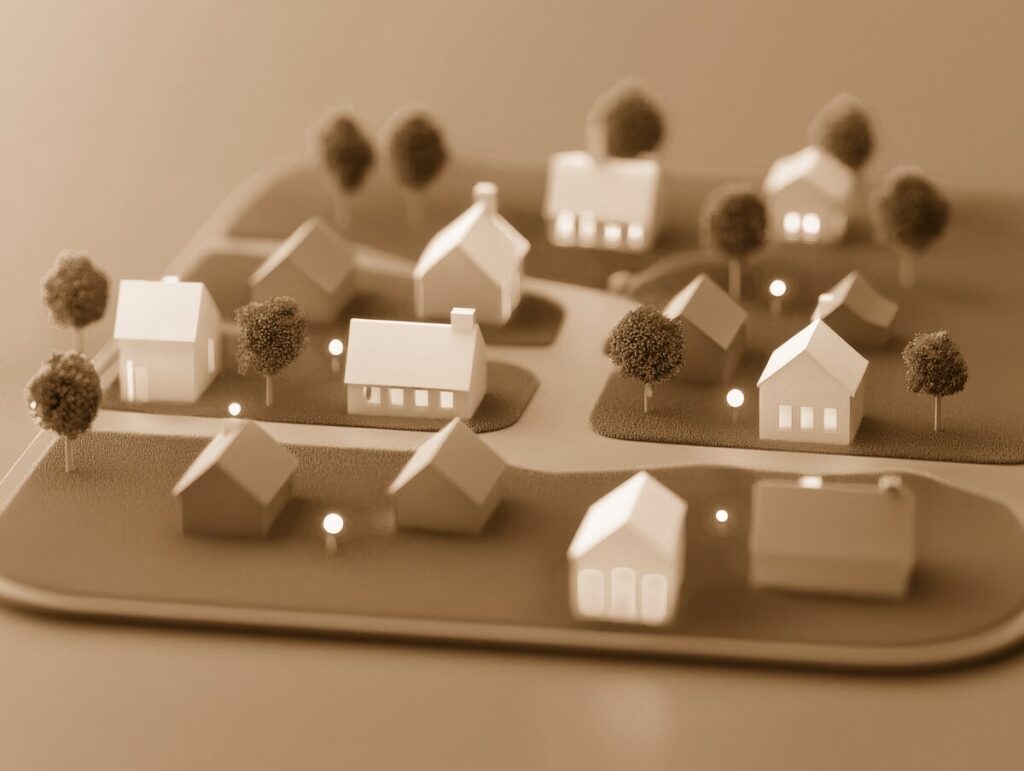
Nestled just southwest of downtown Riverside, the Wood Streets neighborhood stands as one of the city’s most iconic and beloved communities. With tree-lined avenues, an eclectic mix of classic architecture, and a spirit of nostalgia that lingers in every shade-dappled yard, the Wood Streets is a place where past and present harmoniously intertwine. As someone who has spent years wandering its sidewalks and chatting with neighbors on brisk morning walks, I’m excited to share the rich history and cherished heritage of this remarkable Riverside enclave.
The Origins: Seeds of a Neighborhood
The story of the Wood Streets begins in the early 20th century, a time when Riverside was blooming as a prosperous citrus hub. As the city expanded, developers sought to create a distinctive residential area just beyond the heart of downtown. The Wood Streets area—originally part farmland and orange groves—was gradually subdivided for housing during the 1910s and 1920s, with much of its core growth happening in the decades that followed.
The neighborhood’s very name, “Wood Streets,” is thought to originate from the many avenues—such as Maplewood Place, Oakwood Place, Elmwood Court, and Rosewood Place—that include “wood” as a suffix. This natural, somewhat whimsical naming convention complemented the vision for a tranquil, tree-lined residential community. Early planners prioritized aesthetics, and residents soon planted thousands of shade trees, a practice that continues today and gives the streets their lush, inviting character.
Key Historical Milestones
- 1920s–1930s: The First Building Boom
The neighborhood’s classic look owes much to its earliest homes, most of which were built between the 1920s and the Great Depression. Here, you’ll find lovingly maintained examples of California Bungalows, Craftsman cottages, Spanish Revivals, and Tudor homes—each with its own architectural charm.
- World War II and the Postwar Era
Wood Streets experienced a second wave of growth following World War II, when returning veterans and young families settled into Riverside’s serene neighborhoods. This period saw the addition of charming Minimal Traditional and Ranch-style homes, complementing the earlier architectural styles.
- Preservation and Community Identity
In the decades that followed, Wood Streets emerged as an unofficial historic district. Its unique character fueled local preservation efforts by residents eager to maintain the original streetscape and feeling. While not formally recognized on the National Register, Wood Streets is often referenced in city planning as a “neighborhood conservation area.”
Landmarks and Local Treasures
No history of the Wood Streets is complete without mentioning some of its standout landmarks and local favorites:
- Homes on Magnolia Avenue & Brockton Avenue
These grand boulevards are lined with many of the area’s most stately houses, boasting vintage tile, glass doorknobs, and welcoming porches. A stroll along these streets is like stepping back in time.
- Riverside Community College District (RCCD) and Riverside City College
Flanking the Wood Streets, the historic Riverside City College campus at 4800 Magnolia Avenue dates to 1916. The elegant architecture and meticulously landscaped grounds have inspired generations of students. RCC’s iconic quadrangle, Mission Revival buildings, and clock tower are neighborhood anchors.
- Nichols Park
At the heart of the community, Nichols Park on Palm Avenue offers a green oasis for family gatherings, neighborhood events, and summertime picnics. It’s a favorite for dog-walkers—and its playground laughter is a constant soundtrack in the Wood Streets.
- Evans Street and Grand Avenue
Notable for their picturesque homes and lovingly tended gardens, these streets frequently appear on the “Wood Streets Home Tour,” where proud residents open their doors to celebrate architectural heritage.
Evolution Through the Decades
The character of the Wood Streets has always been defined as much by its people as by its architecture. Early residents were citrus barons and educators, railroad workers and entrepreneurs. Today, its homes shelter a wonderful mix of families young and old, college students, artists, and retirees—each adding their chapter to the neighborhood’s story.
- 1970s–1990s: Change and Continuity
These decades brought both flux and stability. As Riverside grew, some residents worried that modernization might threaten the neighborhood’s charm. But the community responded with grassroots organizing, advocating for responsible development and historic preservation. Many homeowners restored period homes, maintaining original woodwork, stained glass, and unique architectural details.
- 21st Century: A Sense of Place
Today, the Wood Streets’ timeless appeal continues to draw newcomers seeking character, community, and connection to Riverside’s roots. Walking tours, annual yard sales, and lively Fourth of July parades keep the neighborhood’s friendly spirit alive.
- Education and Engagement
Local schools like Magnolia Elementary and Riverside City College remain vital community institutions, fostering a love for learning and civic pride.
What Makes the Wood Streets Special
What truly sets the Wood Streets apart isn’t just its pretty houses or mature trees, but the way the neighborhood feels—welcoming, lived-in, and undeniably loved. Neighbors wave from their porches, newcomers are greeted like old friends, and children still play tag until dusk under the same shade trees planted a century ago.
- The sound of wind through the sycamores on Palette Street.
- The thrill of hunting for vintage treasures at the Wood Streets Garage Sale.
- The pride in seeing historic homes honored and preserved, promising even brighter chapters ahead.
In a rapidly changing Riverside, the Wood Streets continues to cherish its past while embracing a vibrant future. Rooted in history, this neighborhood remains very much alive—a testament to enduring community spirit and the simple joys of home.